Keep Your District Training-Ready—Without Disrupting the School Day
Give teachers and coaches flexible access to required training while protecting your investment from staff turnover. You pay for active seats—not specific employees. If someone leaves, transfer their seat to a replacement at no additional cost.
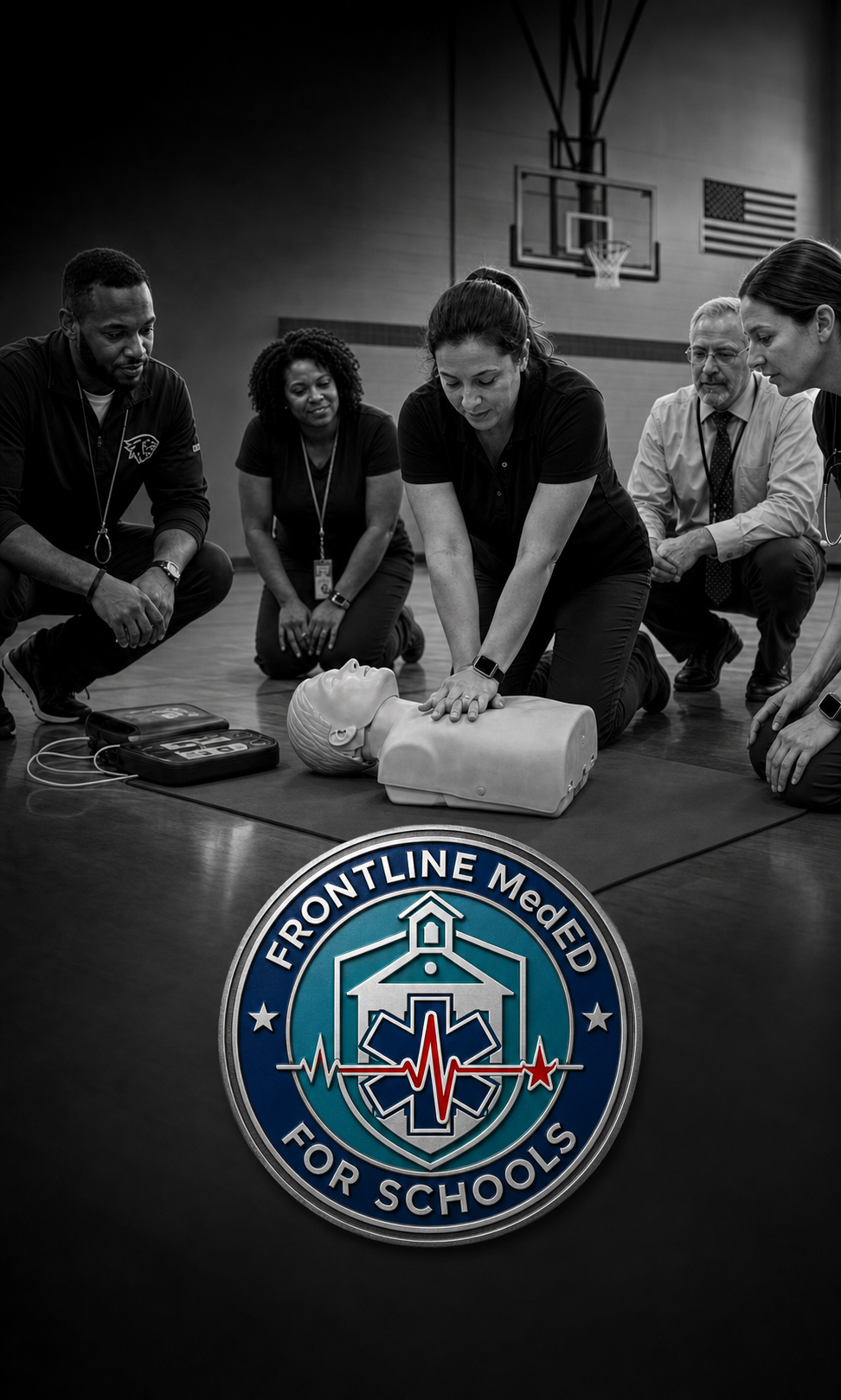
Prepare for SB 865 Without Disrupting the School Day
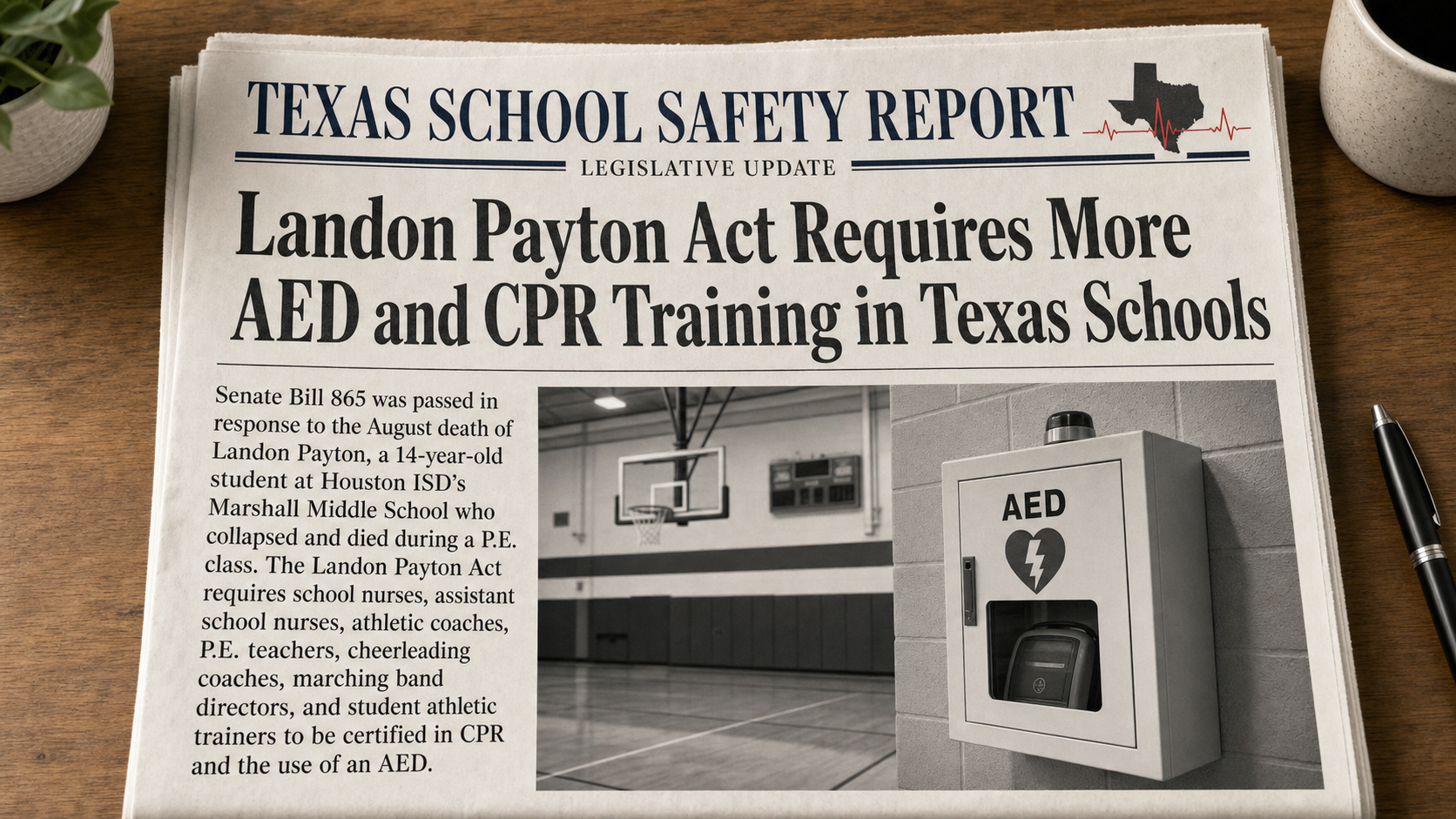
The Landon Payton Act raises the standard for cardiac-emergency readiness in Texas schools. Districts must prepare designated personnel, establish cardiac emergency response teams (CERT), conduct annual drills, and maintain a coordinated response plan.
Meeting these requirements shouldn’t mean empty classrooms, excessive substitute costs, or another administrative burden for your nurses and HR team.
Frontline MedED helps your district build a practical readiness program around existing campus schedules—so you can prepare your people, protect instructional time, and move confidently toward SB 865 implementation.
How Frontline MedED Helps Your District Prepare for SB 865:
CPR/AED Certification • Cardiac Emergency Response Team (CERT) Development • Annual Cardiac-Emergency Drills • Districtwide Readiness
〰️
CPR/AED Certification • Cardiac Emergency Response Team (CERT) Development • Annual Cardiac-Emergency Drills • Districtwide Readiness 〰️
Required Training Shouldn’t Disrupt the School Day
Traditional CPR training can pull teachers and coaches away from their students, increase substitute costs, and create scheduling challenges across multiple campuses. Meanwhile, keeping track of certifications, renewal dates, and new hires adds another administrative burden for district nurses and HR teams.
More importantly, completing a course is only part of the goal. When an emergency happens, your staff need the confidence and practical skills to respond without hesitation.

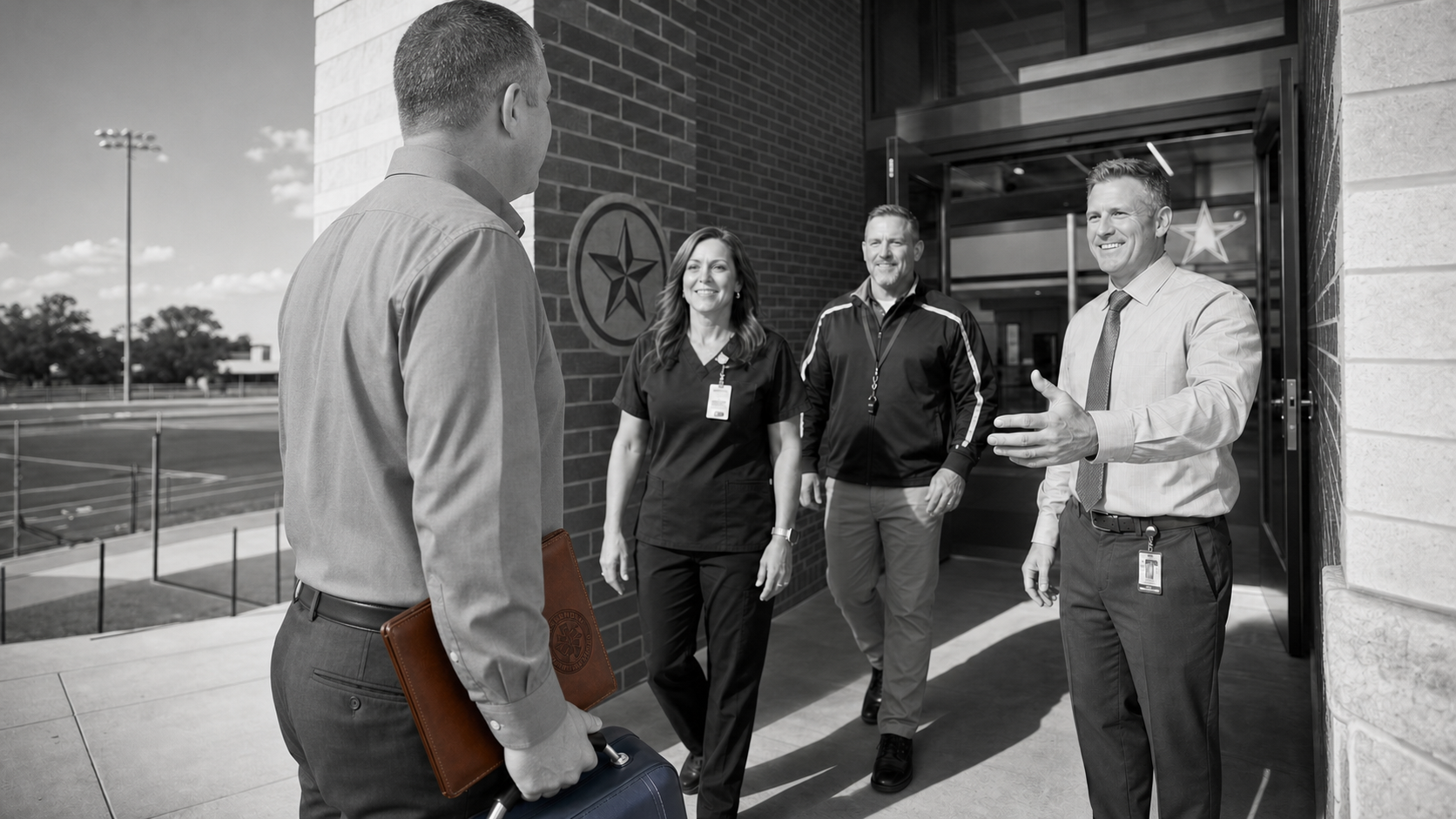
Work With a Training Partner Who Understands Texas Schools
Traditional CPR training can pull teachers and coaches away from their students, increase substitute costs, and create scheduling challenges across multiple campuses. Meanwhile, keeping track of certifications, renewal dates, and new hires adds another administrative burden for district nurses and HR teams.
More importantly, completing a course is only part of the goal. When an emergency happens, your staff need the confidence and practical skills to respond without hesitation.
A Simpler Path to Districtwide Readiness
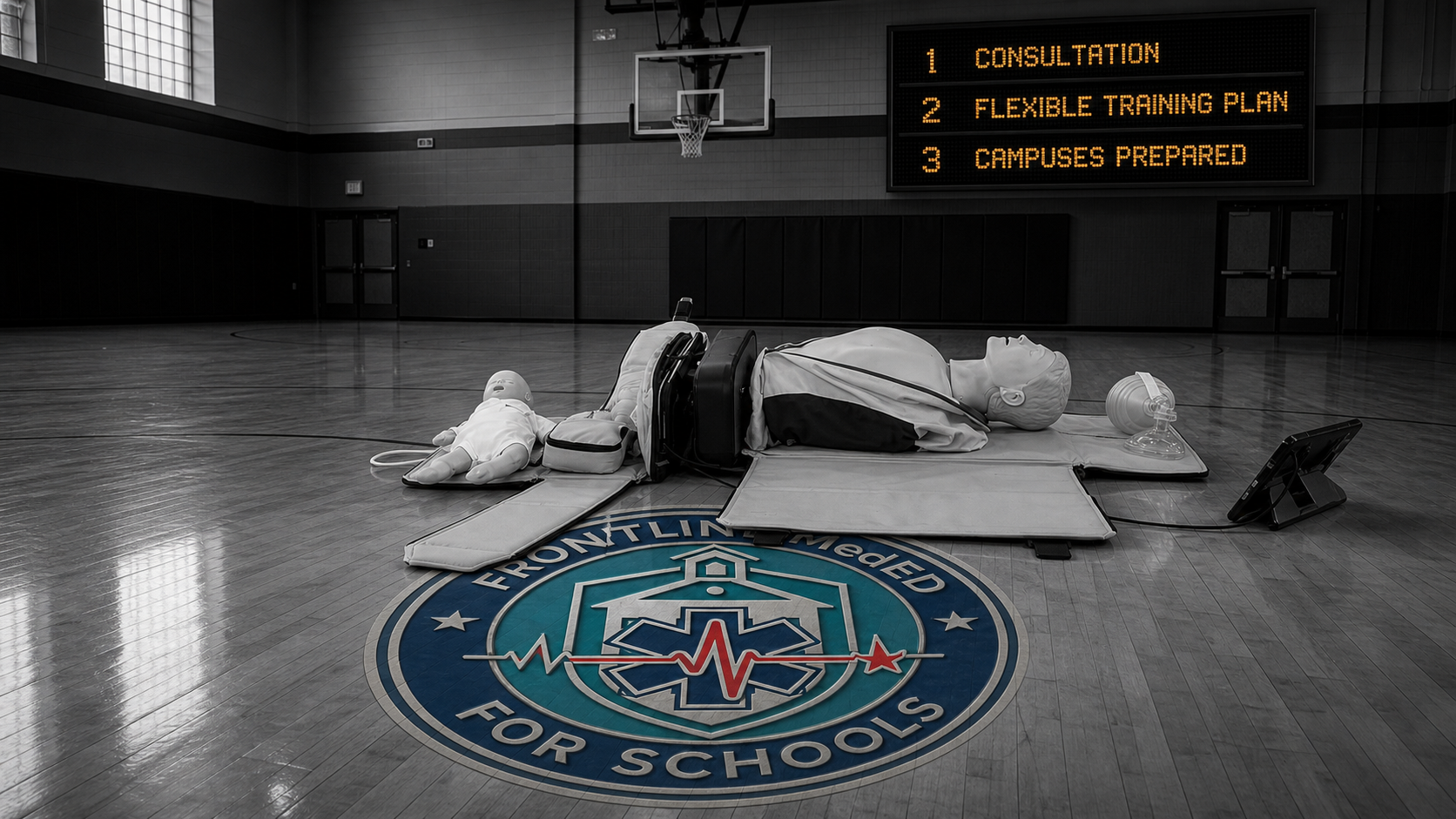
1. Schedule a District Consultation
Tell us about your campuses, staff, training needs, and desired timeline. We’ll help you identify the right training approach for your district.
2. Receive a Flexible Training Plan
Choose on-site sessions or shorter training options that can fit into planning periods, professional-development days, and existing district schedules.
3. Keep Your Campuses Training-Ready
Give staff practical, hands-on preparation while making certifications and renewal needs easier for administrators to manage.
Turnover Protection:
Your Training Investment Stays With Your District
The Frontline MedED Compliance & Readiness Program protects your district’s training investment when staffing changes.
Your district maintains a set number of active training seats—not accounts permanently assigned to individual employees. If a teacher or coach leaves during the school year, that seat can be reassigned to their replacement at no additional cost.
Your training capacity stays with your district, helping you maintain continuity without paying twice because of staff turnover.
Build a More Prepared School District
Don’t wait for an approaching renewal deadline—or an emergency—to discover gaps in your district’s training.
Partner with Panhandle Frontline MedED to create a practical training plan that protects instructional time, supports your staff, and helps your campuses stay prepared.